
Guide
Medical gas systems guide: uninterrupted supply from source to outlet
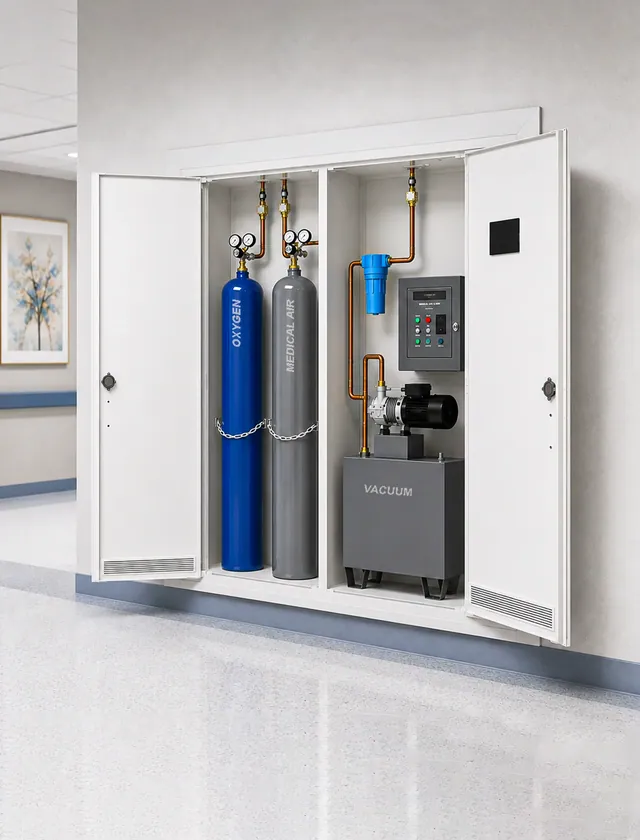
In a hospital, oxygen, medical air, vacuum and anaesthetic gases must never stop. A medical gas system is one chain that starts at the plant where gas is produced or stored and runs through the pipeline, area valves and outlets to the bedside. Reanimed designs and manufactures the source side of that chain in Gebze: manifolds, MEDAIR compressed air and MEDVAC vacuum plants, AGSS waste gas systems and emergency backup supply.
Main components
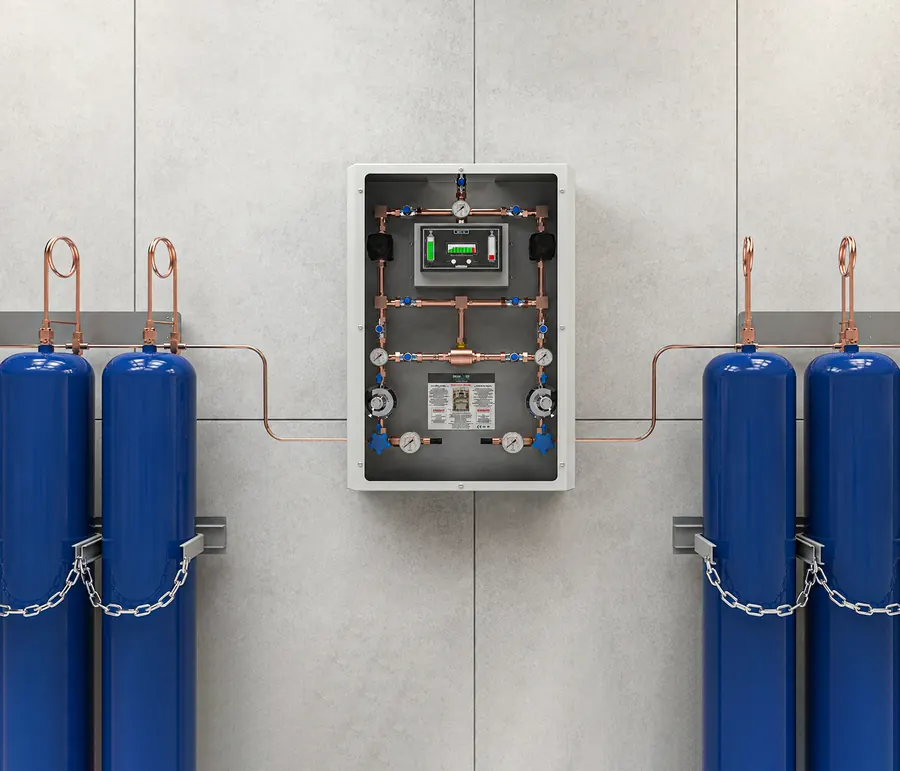
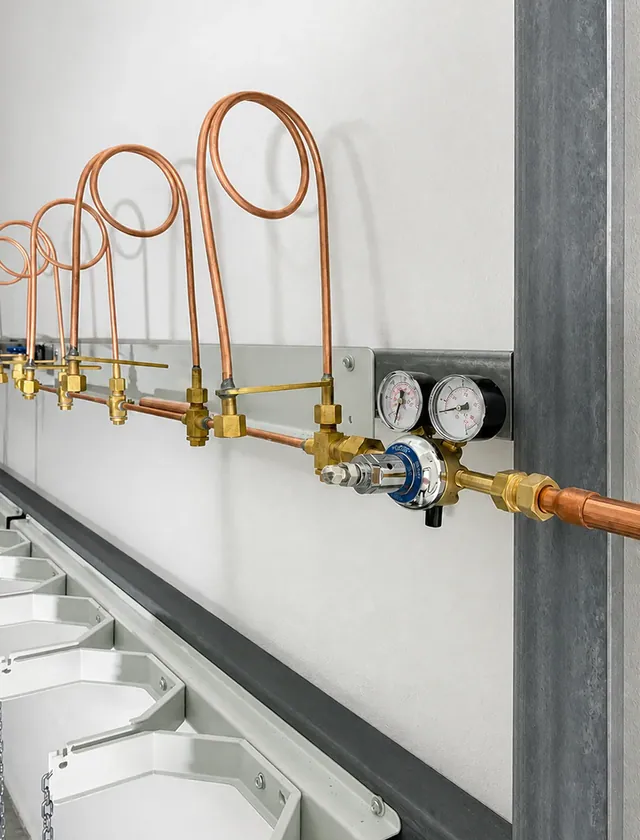
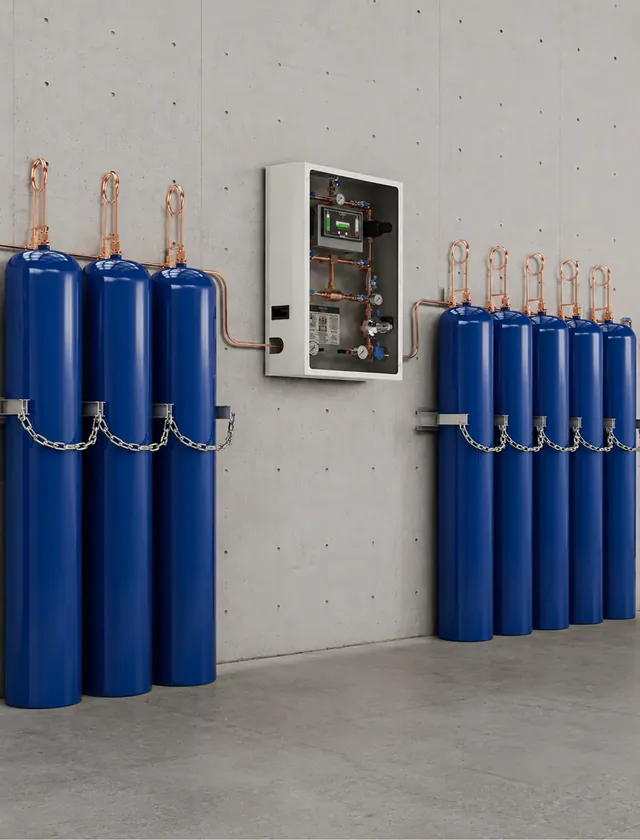
- Manifold systems: regulate, monitor and distribute gas from cylinders or cylinder packs; automatic changeover and a bypass keep supply uninterrupted.
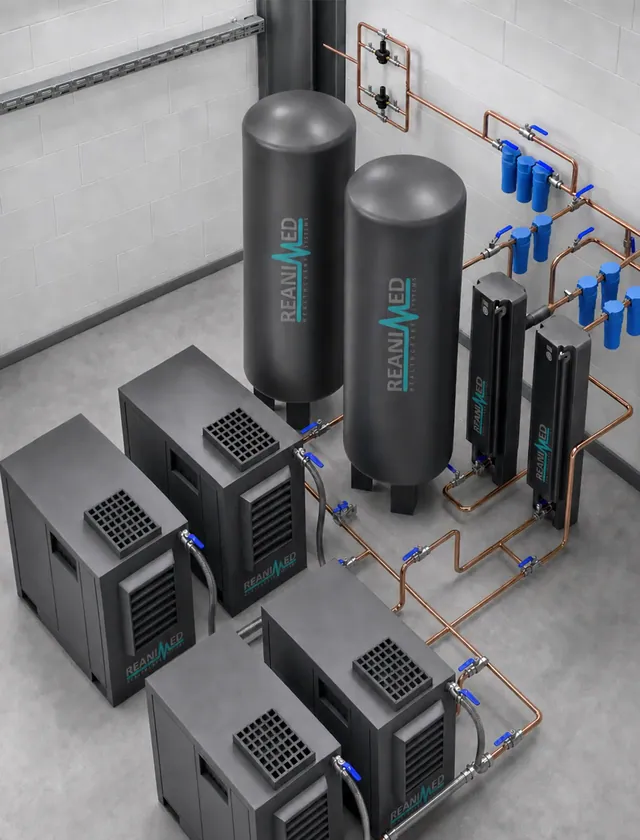
- MEDAIR compressed air: compressors, air receiver, dryer, filters and pressure regulation produce clean, dry, high-purity air for respiratory support and surgery.
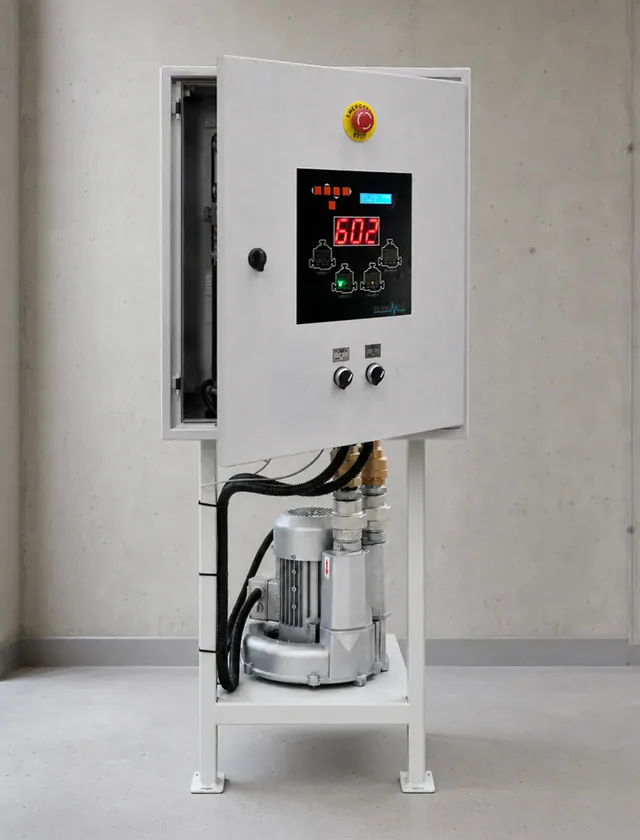
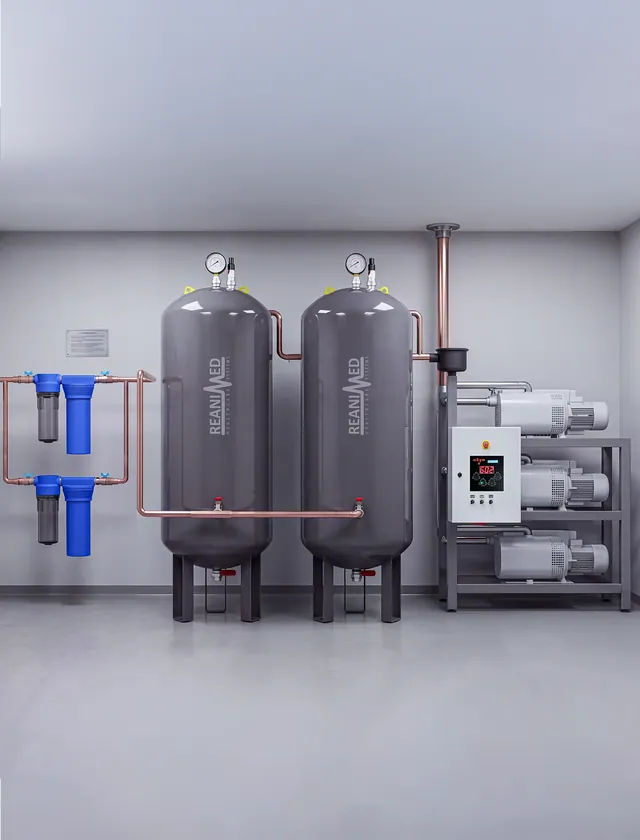
- MEDVAC medical vacuum: a continuous negative pressure source for suction in operating rooms, ICUs, emergency and patient areas.
- AGSS: collects waste anaesthetic gases and removes them from the room, protecting staff from long-term exposure.
- Emergency backup supply and emergency gas station: keep the pipeline supplied when the main source is out of service.
How to choose the right system
Capacity is calculated from the number of beds, operating rooms and ICU beds, and from simultaneous-use factors. Redundancy (duplex, triplex or quadruplex compressor and pump sets, duty and standby blowers in AGSS), monitoring and alarms, ease of maintenance and room for expansion are equally important. Reanimed systems are modular, so capacity can grow with the hospital.
Standards and safety
The key references for medical gas pipeline systems are EN ISO 7396-1 (compressed medical gases and vacuum) and EN ISO 7396-2 (anaesthetic gas scavenging). Outlets are gas-specific under EN ISO 9170-1, so the wrong gas cannot physically be connected to a device. Reanimed’s quality system is certified to EN ISO 13485 and EN ISO 9001, and products are CE marked.
How a project runs
The process starts with a needs analysis and capacity calculation, continues with plant layout, pipeline routing and the location of area valves and alarms, then production, installation, pressure and purity testing and commissioning. In renovations of working hospitals, emergency gas stations keep each zone supplied while work is done.